Small Species, Big Impact
 A Behind-the-Scenes Look at Amphibian Care and Conservation
At Potter Park Zoo, caring for animals goes far beyond what guests see on exhibit. Behind the scenes, our team is constantly learning, collaborating, and finding new ways to provide the highest level of care for every species, no matter their size.
This spring, Zookeeper Delanie had the opportunity to attend Amphibian Management School, an AZA professional development course hosted at the Detroit Zoo. This course brought together animal care professionals from AZA-accredited zoos across the country, all focused on advancing the care and conservation of amphibians.
 Learning the Details That Matter
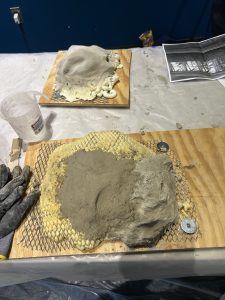
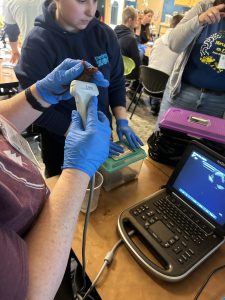
Throughout the training, Delanie explored the many elements essential to the care of amphibians. From building and maintaining habitats to managing water quality, diet, plant life, and veterinary care, every detail plays an important role in helping these species thrive.
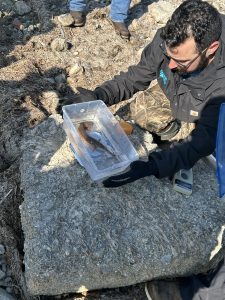
Participants also had the opportunity to take part in hands-on conservation work, including mudpuppy research on Belle Isle. Experiences like this help connect daily animal care with real-world conservation efforts happening in our own region.
Why Amphibians Matter
There are more than 8,000 known amphibian species worldwide, and they are among the most impacted by climate change, habitat loss, and pollution. Because of their highly absorbent skin, amphibians are especially sensitive to changes in their environment.
They are also considered indicator species, meaning their health can tell us a great deal about the health of an ecosystem. When amphibians are thriving, it is often a sign that their environment is clean and balanced.
Zoos play an important role in protecting these species. Through conservation education, habitat protection, and managed breeding programs, we can help support amphibian populations both in human care and in the wild.
The Details You Don’t See
Amphibians may be small, but their care requires a high level of precision. Temperature, humidity, and water quality all need to be carefully monitored and maintained. Even small changes can make a big difference, and each species has its own unique needs. It is a level of detail that often surprises people, and it reflects the dedication our team brings to every animal at Potter Park Zoo.
Collaboration Across Zoos
One of the most valuable parts of Amphibian Management School was the opportunity to work alongside keepers and professionals from other AZA-accredited zoos.
Sharing ideas and learning from one another helps strengthen animal care practices across the board. These connections not only improve how we care for animals today but also help prepare us for the needs of species we may work with in the future.
 Bringing It Back to Potter Park Zoo
Delanie is already applying what she learned to enhance amphibian care here at the zoo.
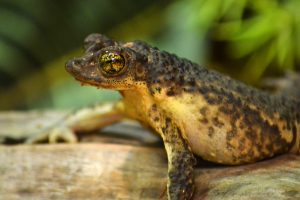
This includes improving our Puerto Rican crested toad breeding efforts and exploring new ways to provide enrichment for amphibians. These small but meaningful improvements can have a lasting impact on the wellbeing of the animals in our care.
A Commitment to Care and Conservation
Professional development opportunities like Amphibian Management School are an investment in both animal wellbeing and conservation. By continuing to learn, collaborate, and grow, our team ensures that every species receives the highest level of care, while also contributing to conservation efforts that extend far beyond the zoo.