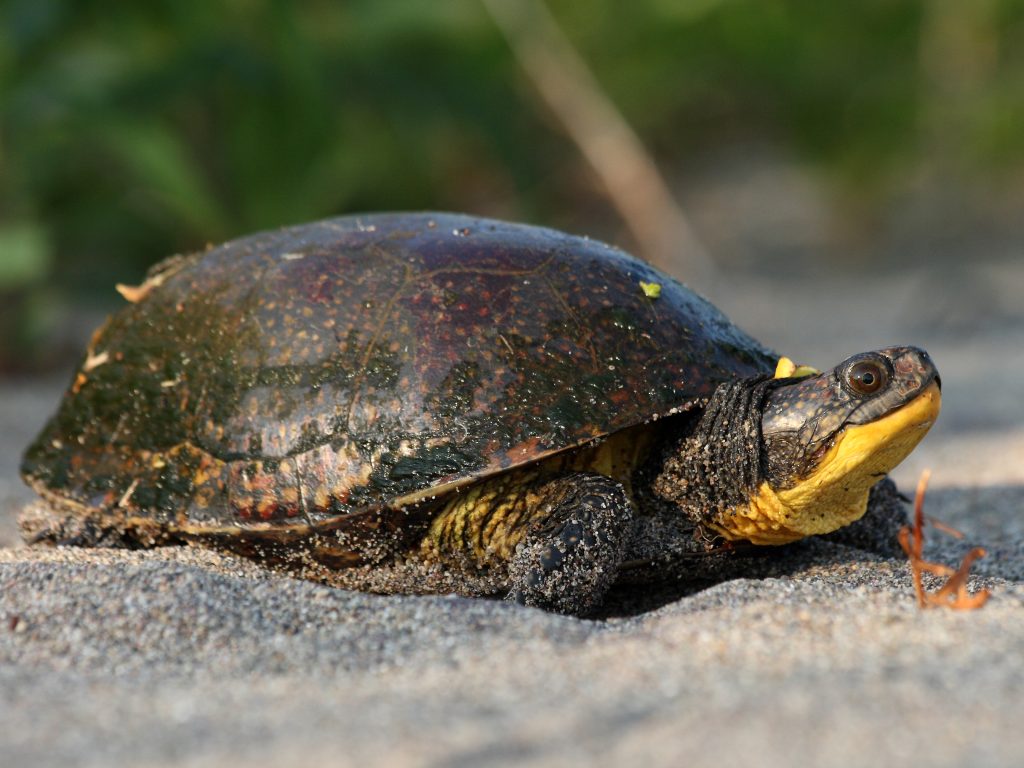
 When you visit Potter Park Zoo, you might see a Blanding’s turtle basking in the sun or a Patagonian mara (also known as a cavy) darting across its habitat. What you might not see is the behind-the-scenes teamwork spanning dozens of accredited zoos that helps ensure those species continue to thrive in human care for generations to come.
That’s where Sarah Foote, our Animal Program Manager, comes in.
Sarah serves as the Species Survival Plan (SSP) Coordinator for two species: the Blanding’s turtle and the Patagonian cavy. It’s a role that blends science, strategy, communication, and a whole lot of spreadsheets.
 So… What Is an SSP?
A Species Survival Plan, or SSP, is a cooperative population management program across zoos accredited by the Association of Zoos and Aquariums (AZA). The goal is simple in theory but complex in practice: ensure a healthy, genetically diverse population of a species in human care.
SSPs track every animal within AZA institutions, monitor genetic diversity, and create long-term breeding and transfer plans. Importantly, not all SSP species are endangered. While many are threatened in the wild, the purpose of an SSP is not solely about conservation status. It’s about sustainability.
Very few animals are brought in from the wild by accredited zoos. That means if we want species to remain part of zoo collections for education, research, and conservation storytelling, we need viable, carefully managed populations already in human care.
In other words, SSPs help ensure that the species you see at accredited zoos today are still here decades from now, without relying on wild populations.
What Does an SSP Coordinator Actually Do?
Think of the SSP Coordinator as part population scientist, part matchmaker, part project manager, and part problem-solver.
Sarah is responsible for managing the entire AZA population of Blanding’s turtles and Patagonian cavy. Every three years (at minimum), a detailed studbook must be published along with an official breeding and transfer plan. These plans outline:
- Population goals
- Recommended breeding pairs
- Animal transfers between institutions
- Support for zoos adding or phasing out the species
Before each planning meeting, Sarah gathers feedback from every zoo housing the species. Who wants to breed? Who needs to house fewer animals? Who is renovating an exhibit? Then, working alongside a population biologist, she determines the best genetic pairings to meet long-term sustainability goals.
Outside of formal planning, she’s a go-to resource for species knowledge. Questions about natural history? Diet? Social dynamics? Housing compatibility? Sarah helps other zoos make informed decisions that support animal wellbeing and long-term program success.
 Why Blanding’s Turtles and Cavies?
Sarah will be the first to tell you her species aren’t necessarily “more special” than others. Every SSP Coordinator is working hard to safeguard the species they represent, but each program brings its own management challenges.
Blanding’s turtles are most commonly housed within their natural geographic range, primarily in the Midwest, New England, and Ontario. They’re less common in western zoos. That geographic limitation affects how many institutions are available to support housing and breeding the species.
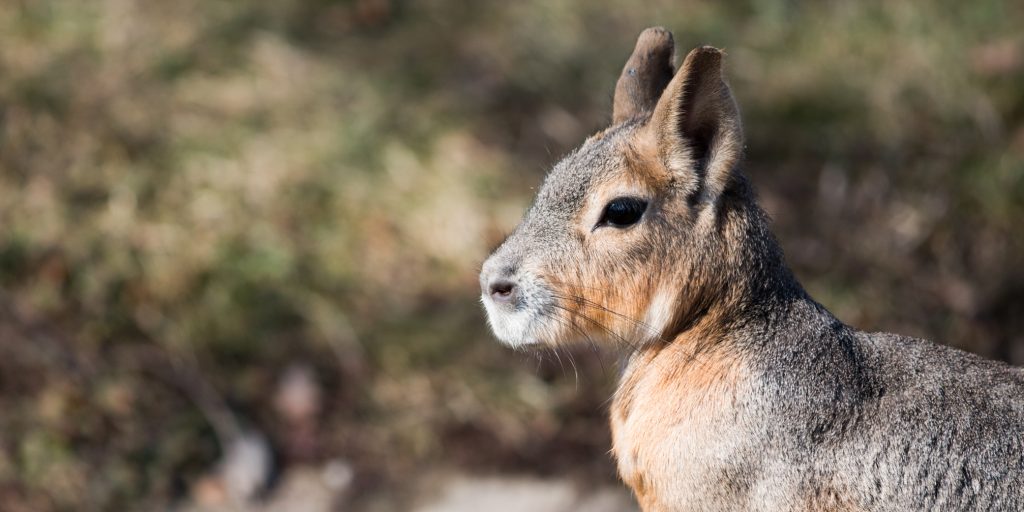
Patagonian cavy present a different puzzle. They’re the second-largest rodent in the world, but they can be… let’s say, particular. Many rodents, including cavy, don’t thrive in single-sex groups. They can be unsocial and may not always get along. That limits how many individuals can be housed together and requires thoughtful planning when forming breeding pairs.
Add to that a broader industry shift: modern zoos are focusing more on expansive habitats and elevated welfare standards. This is important progress for animal well-being, but it also provides fewer total animal spaces that are available than in decades past. For SSP Coordinators, that means every space matters. It’s a constant balance of genetics, welfare, exhibit goals, and institutional housing capacity.
What Might Surprise You About SSPs?
Many people assume SSPs are only for endangered species. While conservation status certainly matters, the central mission is maintaining a sustainable population in human care. If zoos want to continue housing a species responsibly, there must be enough genetic diversity and enough participating accredited zoos to support it. That requires long-term planning, collaboration, and honest assessments of what’s realistic. It’s less about reacting to crisis and more about proactively building stability.
The Most Rewarding Part
For Sarah, the most satisfying moments come when careful planning turns into tangible success. When a zoo invests in a new exhibit. When a carefully coordinated transfer results in a successful birth. When institutions collaborate and the population grows stronger.
“Knowing that I’m doing my small part for zoo populations is very rewarding,” she says.
And that’s exactly the point. At Potter Park Zoo, conservation isn’t just something we talk about on signage. It’s woven into daily operations, professional leadership, and regional collaboration across the AZA community. Through roles like Sarah’s, we’re helping ensure that future generations can connect with species like Blanding’s turtles and Patagonian cavy. Learning about them, caring about them, and protecting wildlife both in human care and in the wild.
Sometimes conservation looks like a field study or a reintroduction program.
Sometimes it looks like a turtle, a rodent, and a very detailed spreadsheet.
No matter what it is, we’re proud to be part of that work.