Characteristics
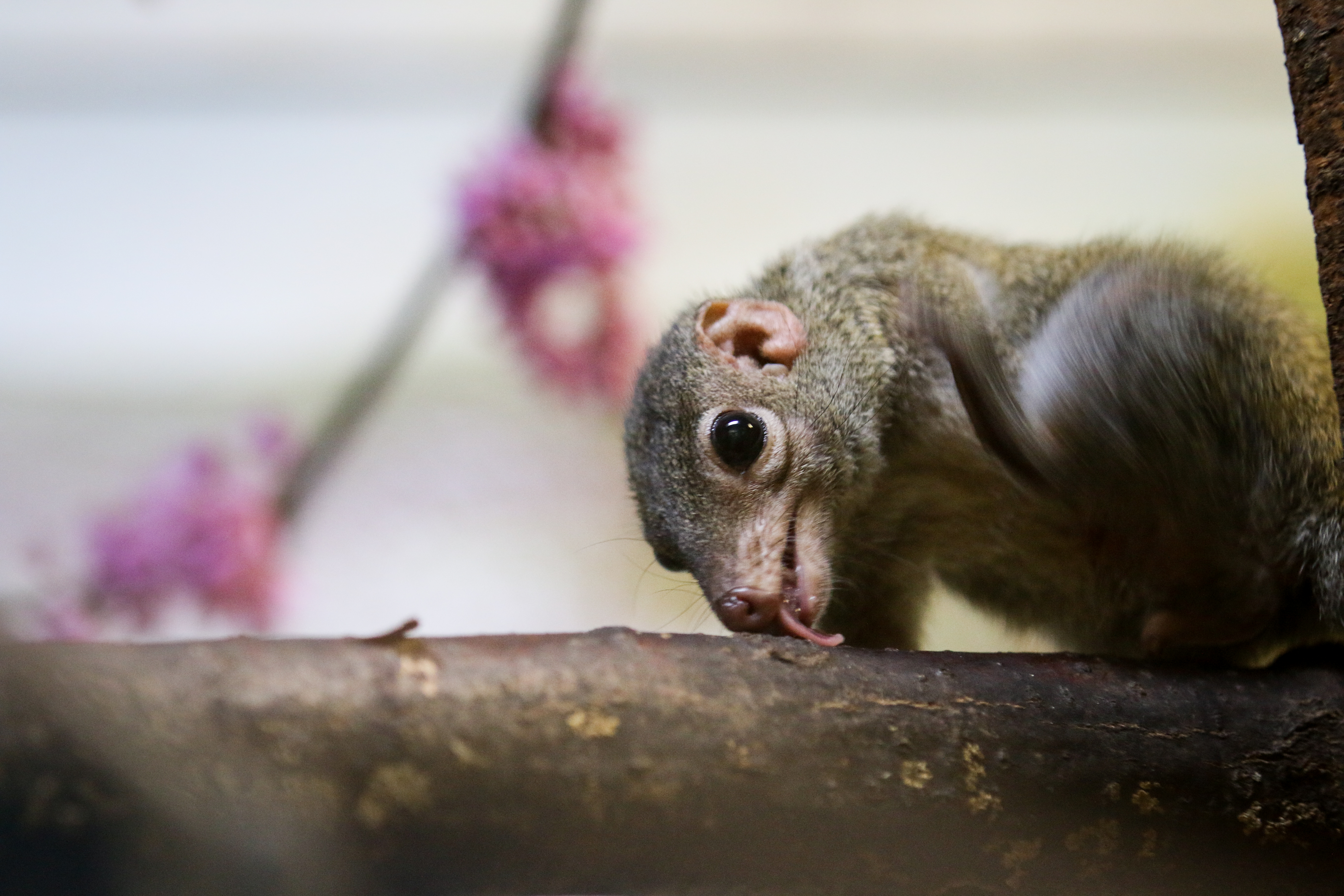
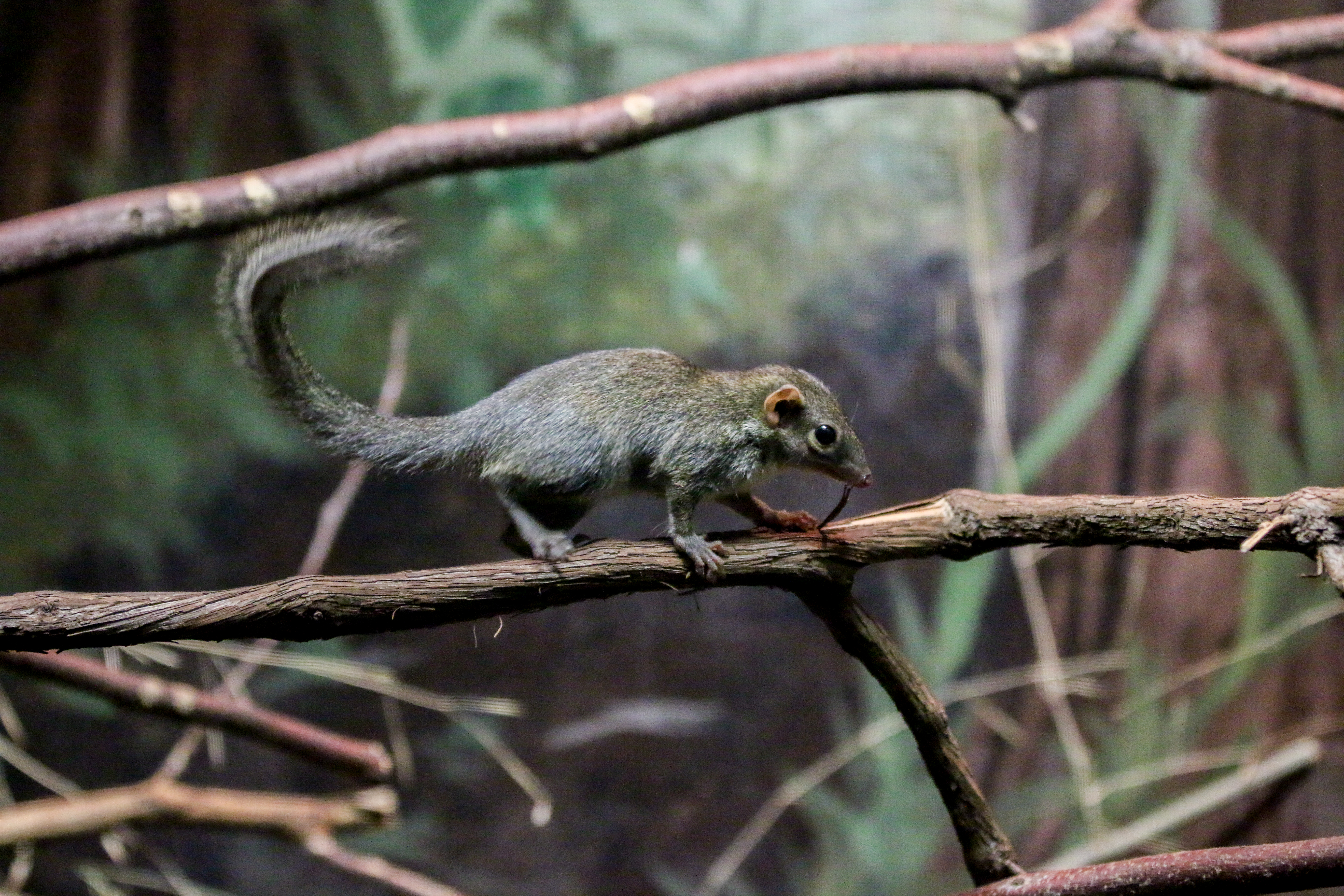
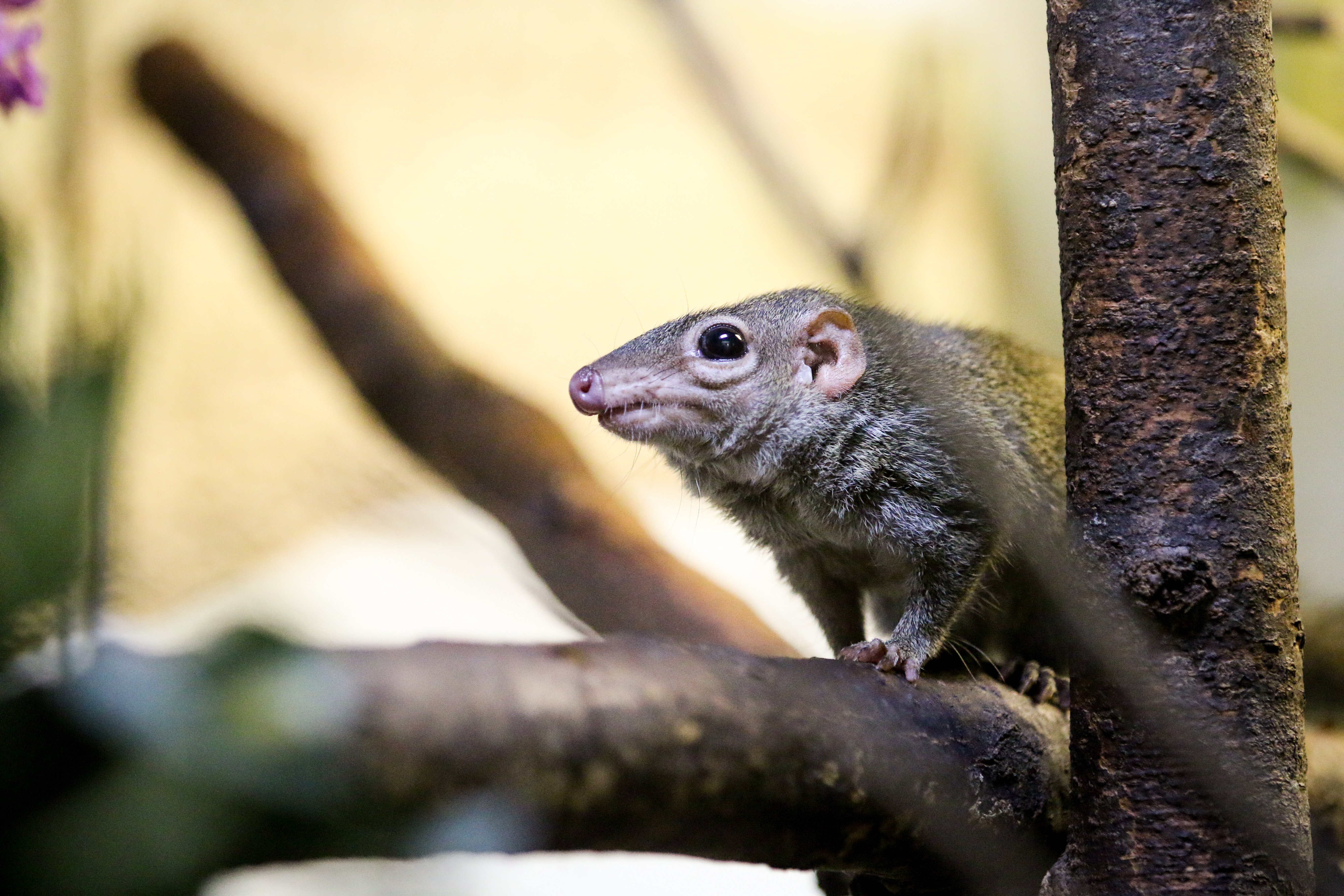
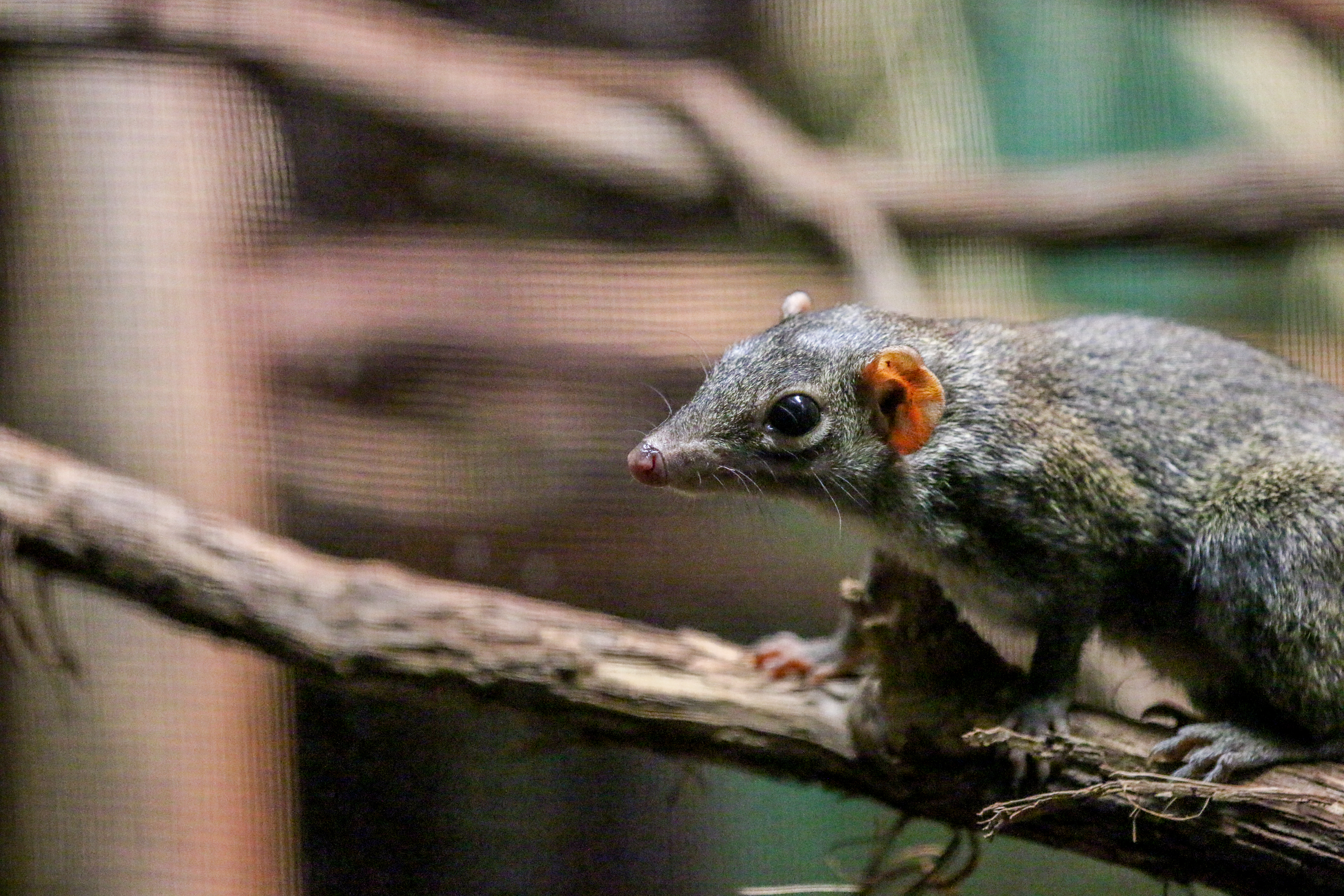
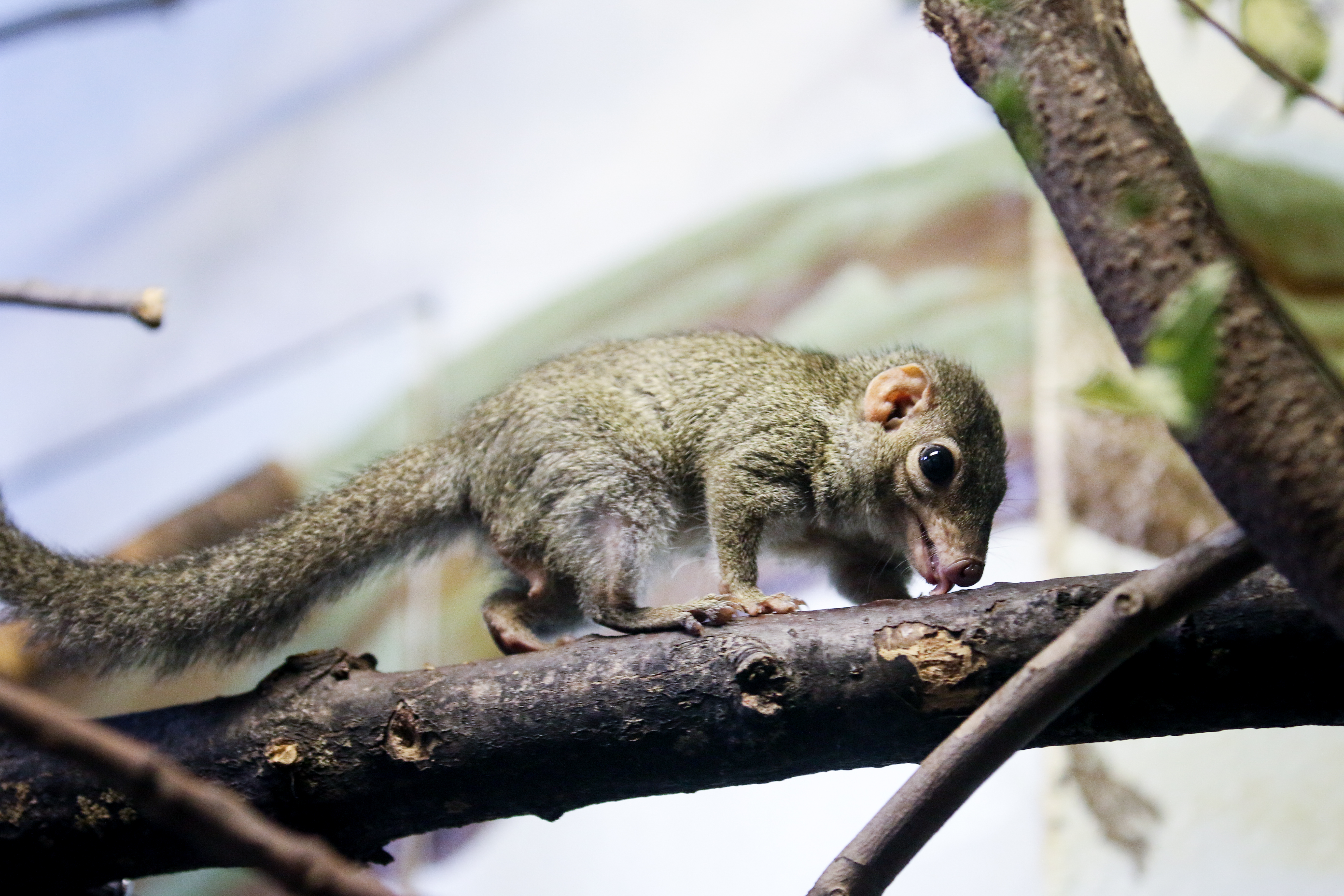
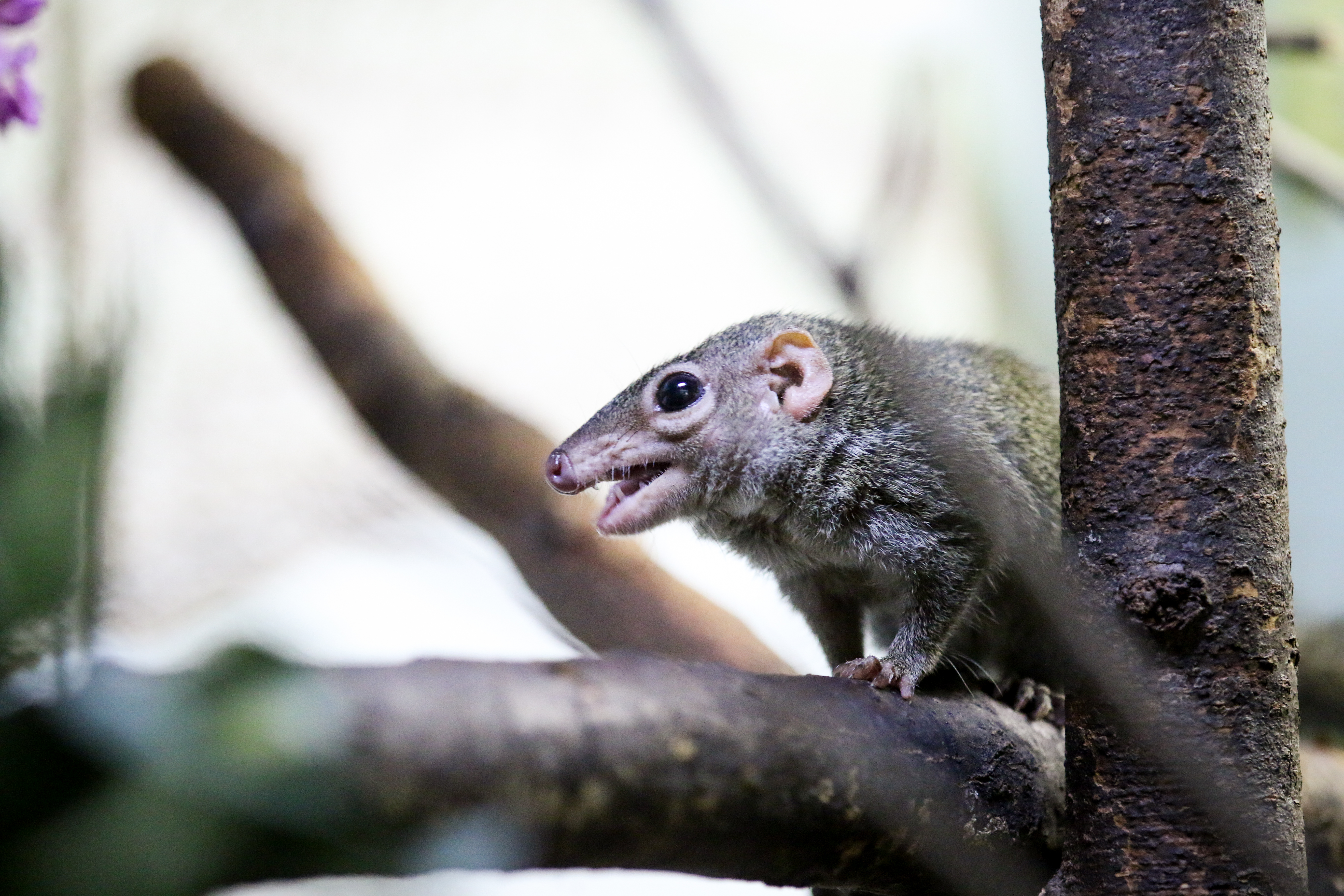
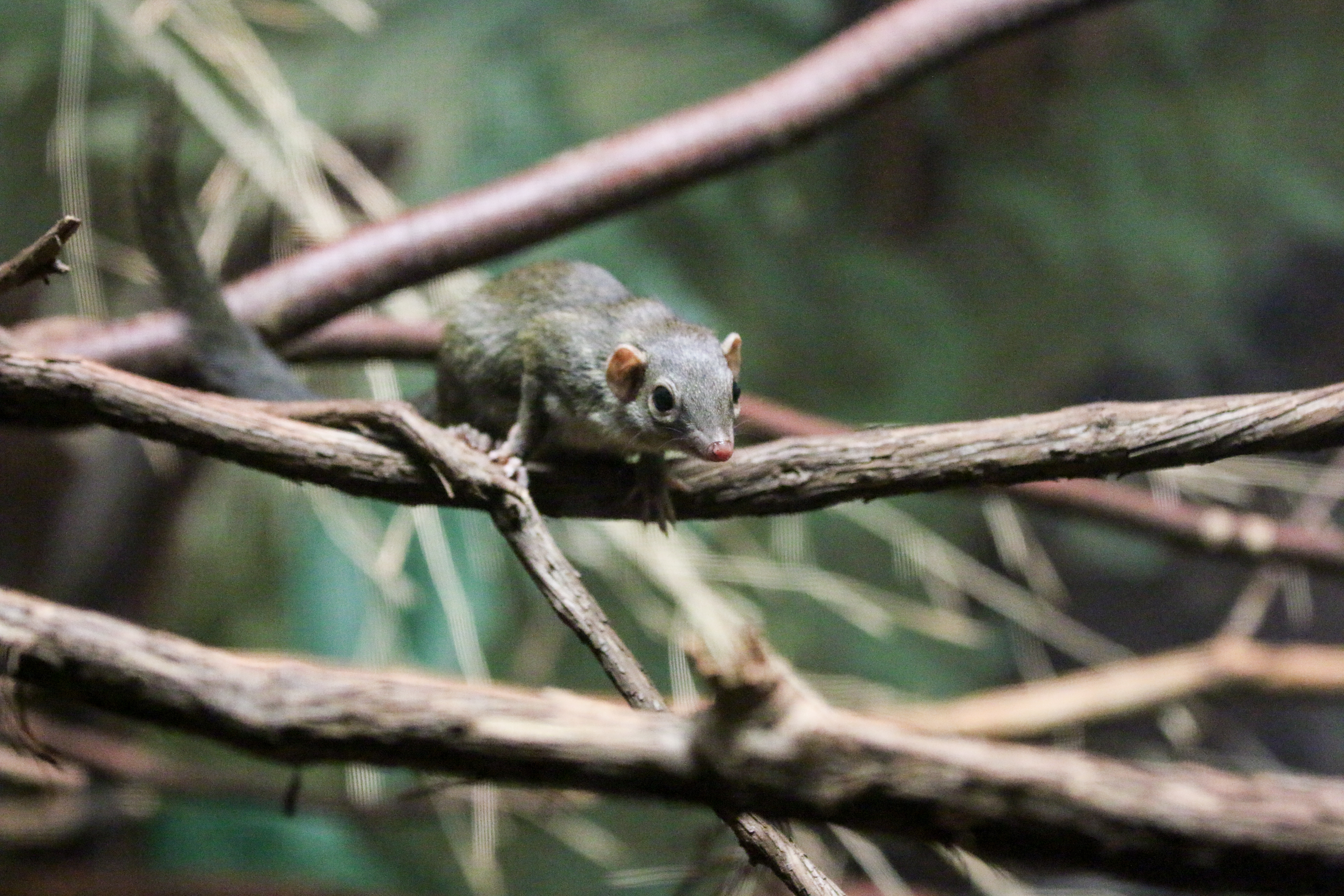
Northern tree shrews have brown backs and limbs, while the underside is a light cream color. These mammals are mouse-like in appearance but have long, pointed snouts. Their sharp claws help them climb well and move quickly.
Tree shrews are small but mighty with a strong sense of smell, acute hearing and sharp eyesight. They are wary, curious and generally aggressive. Tree shrews are extremely active, and they alternate between searching for food and resting through out the day.
Behavior
Northern tree shrews are monogamous and adult shrews share overlapping territories. They use a scent gland on their chest to mark their territory. They make eight distinct sounds and four of them can be associated with alarm, attention, contact, and defense. Have well defined, sharp teeth that they will use against predators.
Did You Know?
They have one of the highest brain to body ratios of any mammal. They have large brains for their size.
Tree shrews have a symbiotic relationship with pitcher plants, a group of plants with large, tube-shaped flowers. Tree shrews perch on the lid of the plant’s pitcher and lick nectar from the bottom of the leaf. Then, they defecate inside of the tube. The pitcher plant breaks down the tree shrew excrement for nutrients.
Reproduction
Breeding occurs throughout the year. Females are sexually mature around four months old. They have an 8 to 12 day estrous cycle. The mother builds a second nest just for the pups, and will visit them every other day. This is their only opportunity to nurse and by the time they wean they will have had less than 2 hours of contact with their mother. The pups will wean around 25 days old and begin to venture outside the nest. They will separate from their mother at two months. Males are not involved in caring for the offspring.
Our Animals
We have an adult male and female tree shrew.
Threats
There are no major threats to this species. The northern tree shrew can be found in many protected areas such as Kang Kachan National Park (Thailand), Mehao Wildlife Sanctuary, Namdapha National Park, and Singhalila National Park (India). Predators may include large birds of prey and snakes because of their size.